COLLECTIONS
Blackland Prairie 1890s-1930s
The Heritage Farmstead Museum is where history comes to life. Step back in time and experience the Blackland Prairie in Texas from the 1890s to the 1930s.
The Museum features 15 historic buildings on its preserved, original 4-acre site.
Furnishings & Accessories
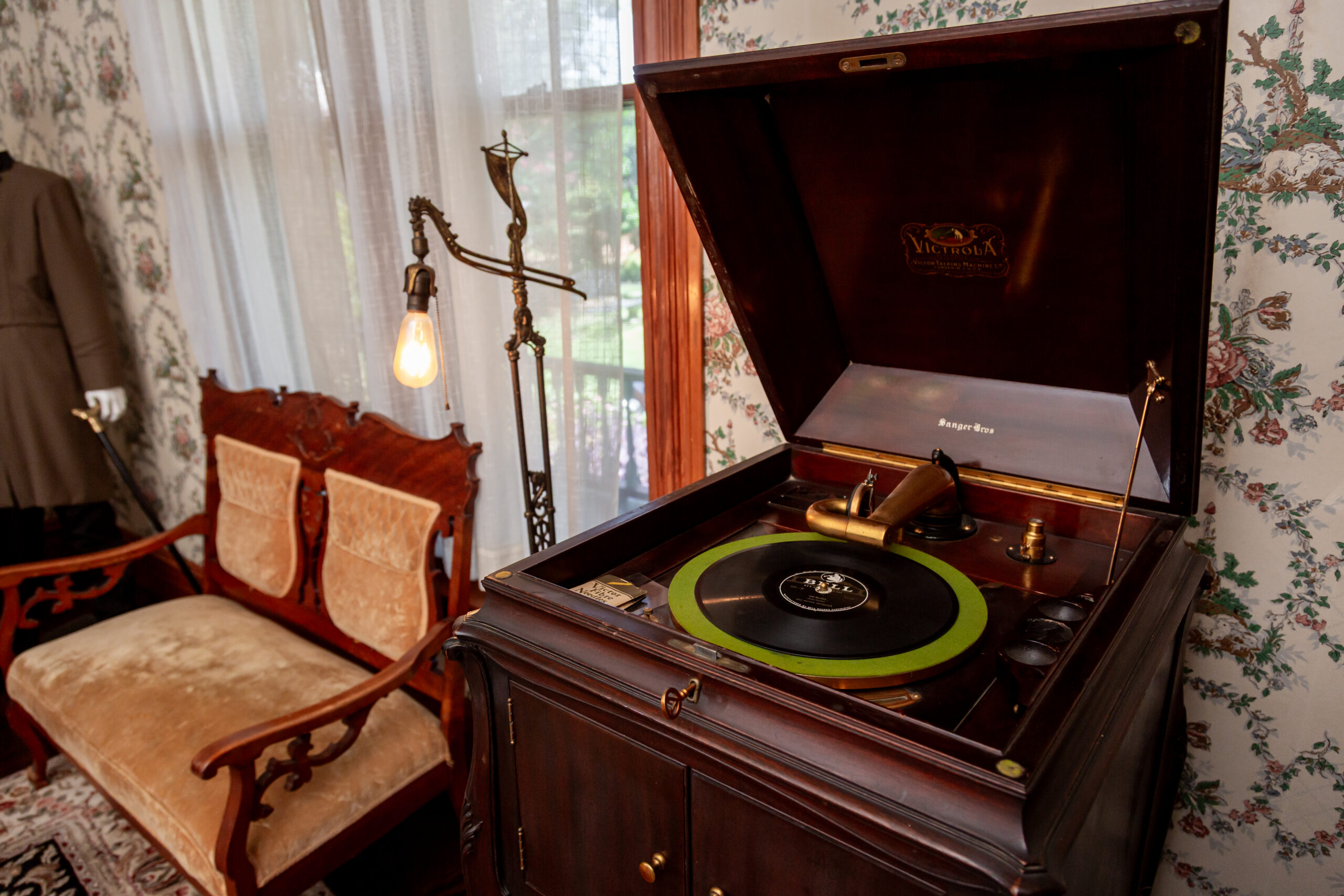
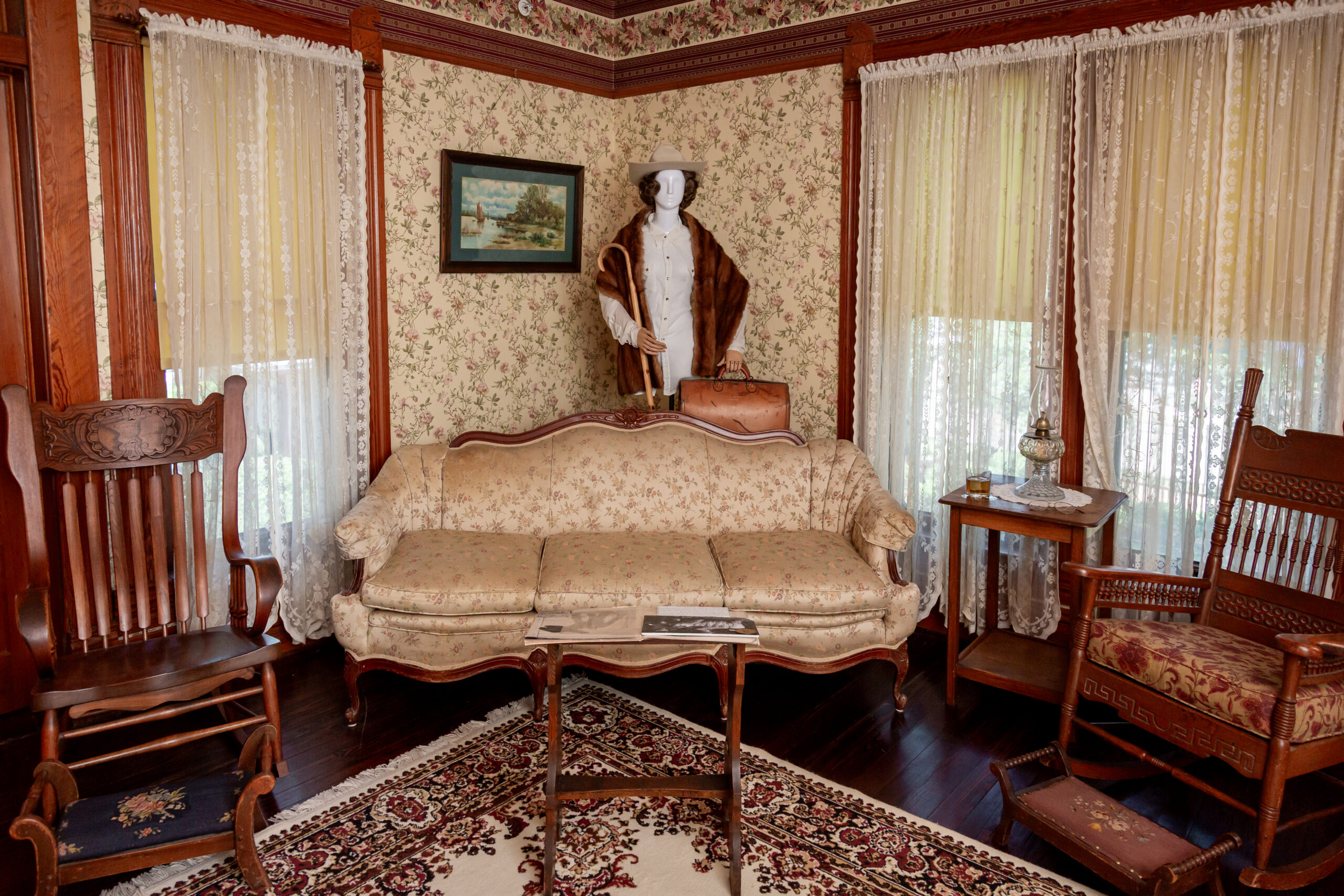
The Farmstead has a variety of furniture and domestic items from the Victorian era. All items, if they did not belong to the Farrell-Wilsons, belonged to other prominent Plano family members from the time period or are Victorian era replicas.
Some notable items include a William Morris chair (a leader in the Arts and Crafts Movement), a Sanger Bros. Victrola, various irons from the 1800s through early 1900s, and an early telephone from The American Bell Telephone Company.
Outbuildings
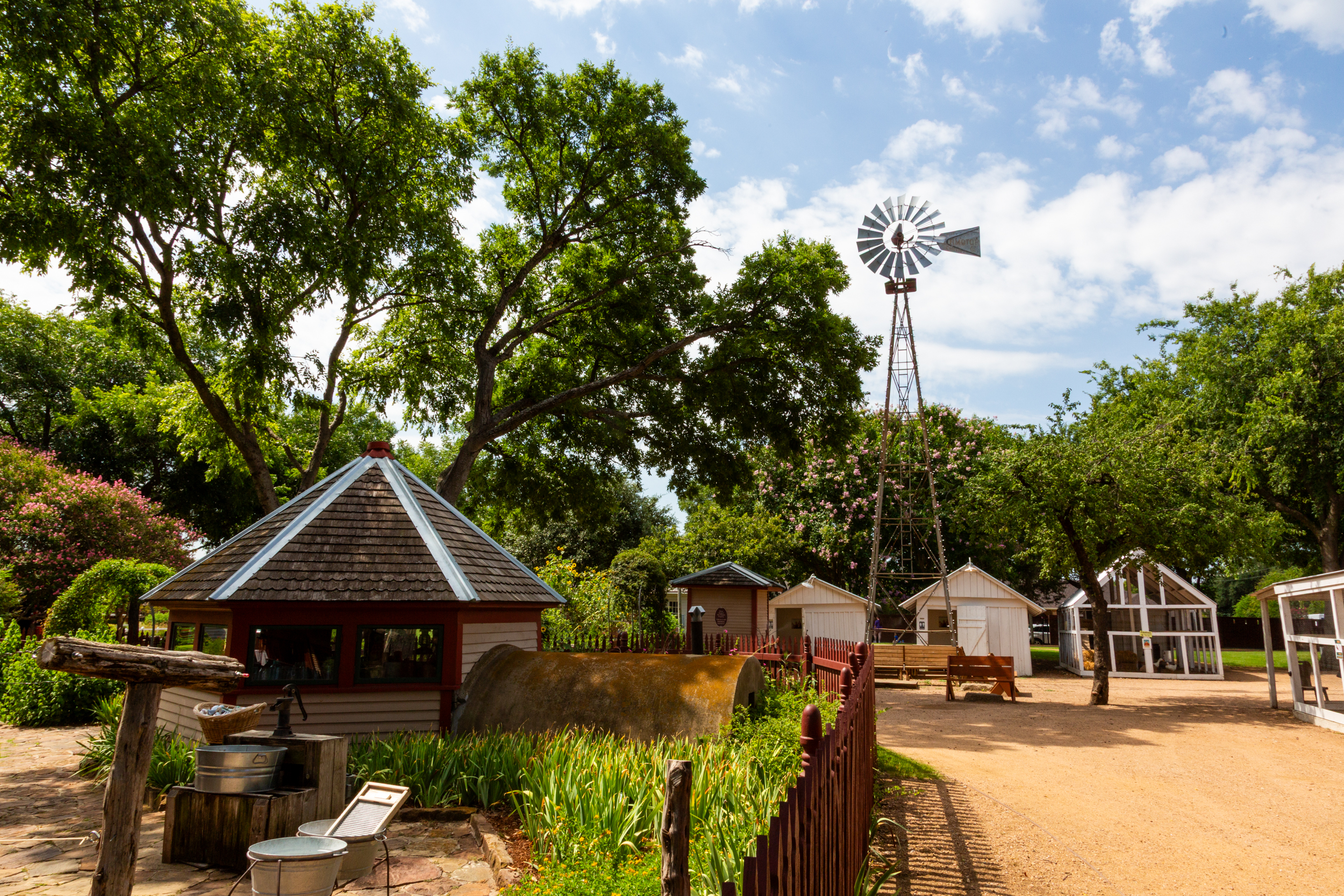
A farmer’s fortune directly resulted from his own hard work and that of his family’s. The values of independence and discipline have fueled our nation’s tremendous growth and prosperity in all areas of life.
The Farrell-Wilson house was built in 1891 and most of the outbuildings were built in the 1890s and early 1900s.
Tools & Implements
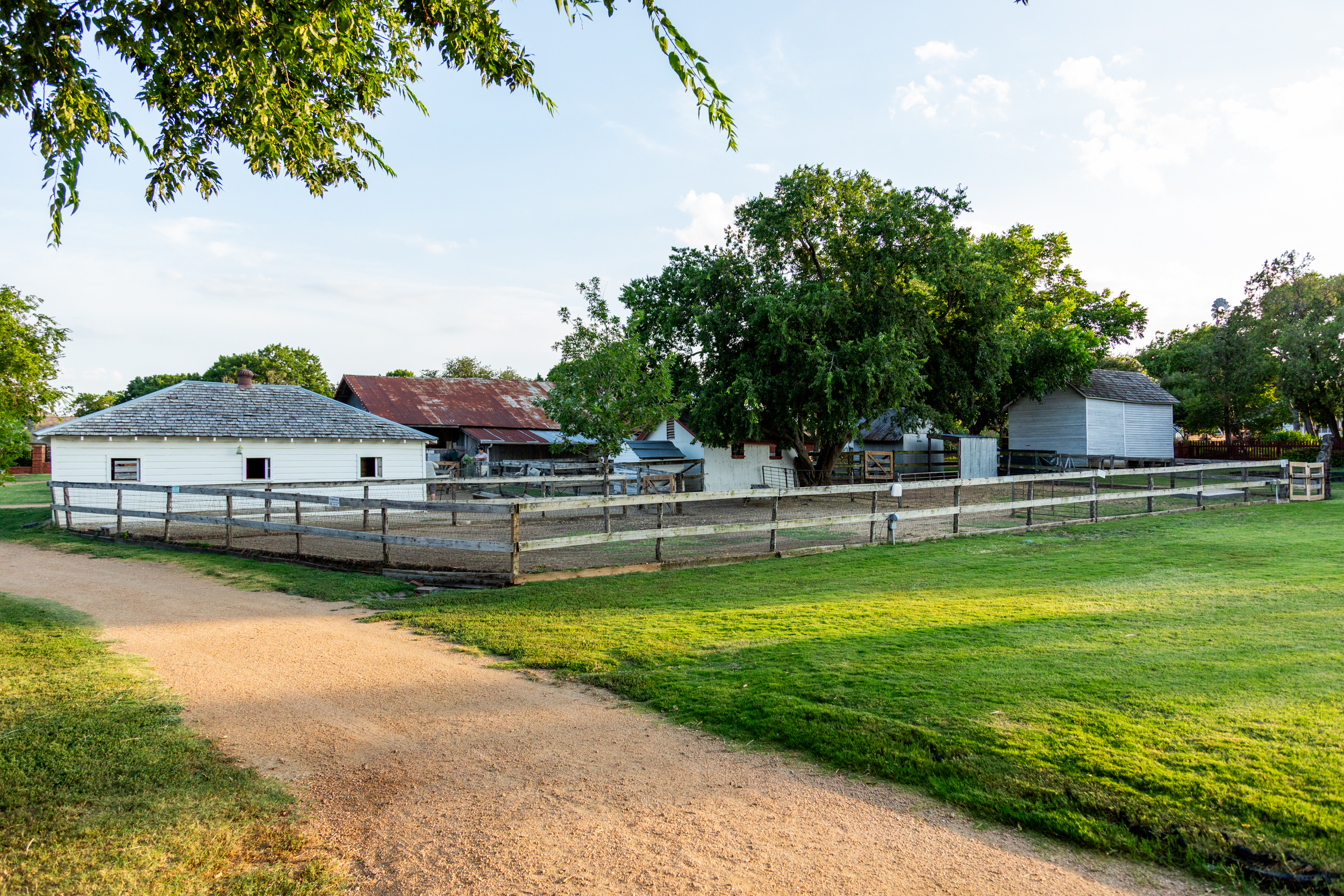
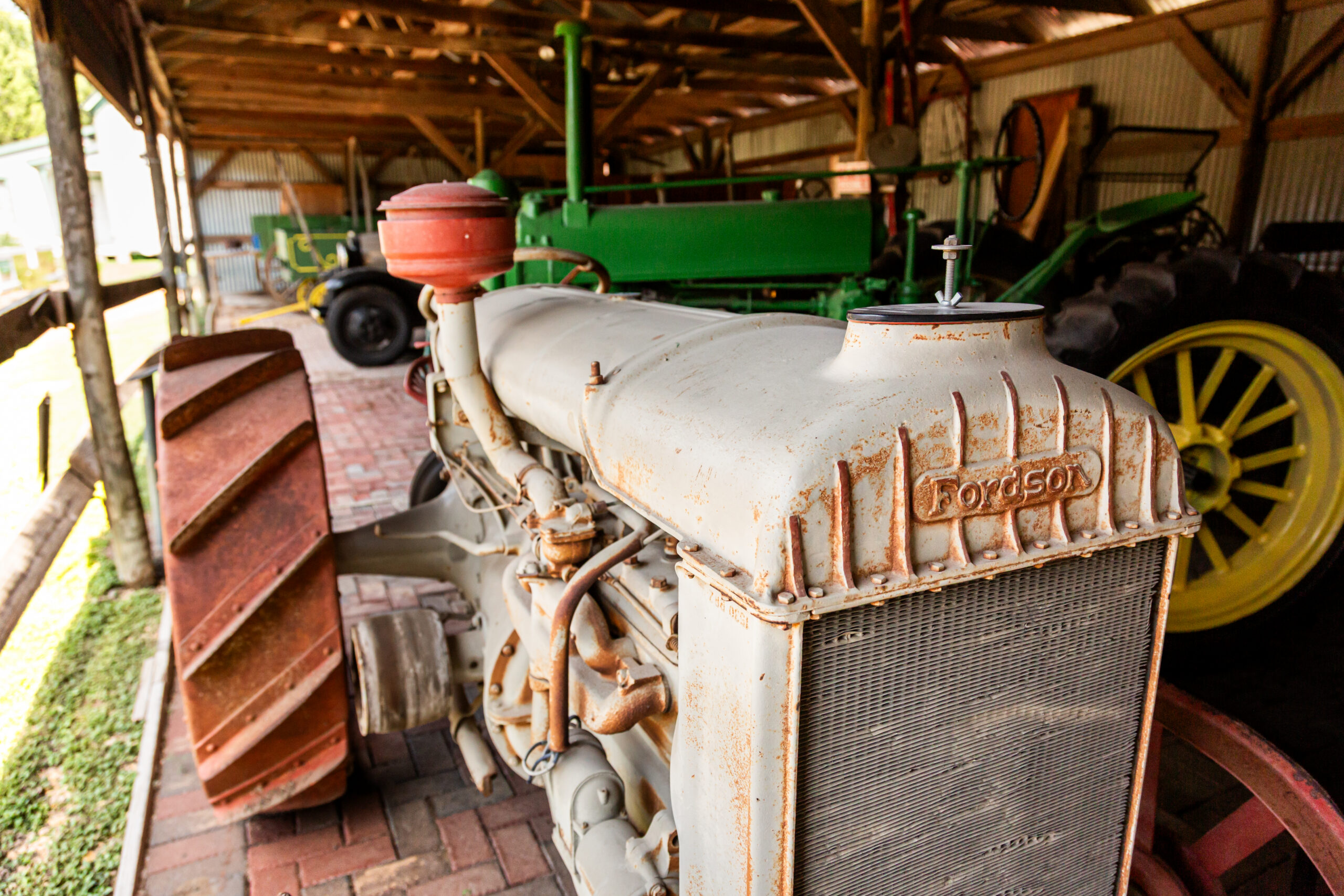
Tools and equipment on display include those once used for farming, curing, potting, and livestock management.
The Farmstead also has a working blacksmith’s shed to show and demonstrate the trade and tools of a blacksmith shop in Victorian era North Texas. Blacksmith demo only available at select special events.
Pole Barn
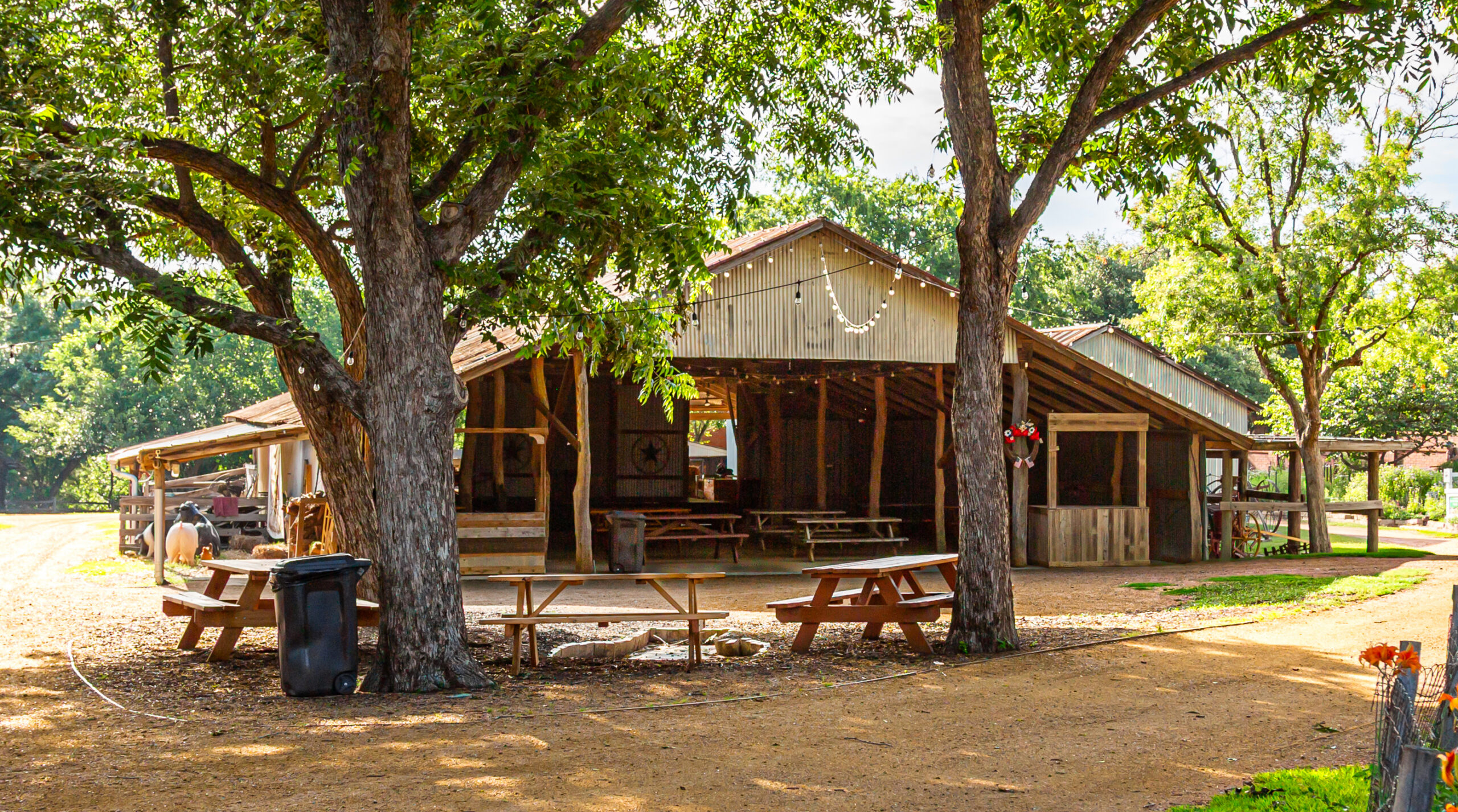
The Pole Barn was built circa 1895 with bois d’arc logs from the Red River region. It originally served as both a livestock barn and a machine shed. As tractors became more commonly used on the farm, the building transitioned primarily into storage for farm machinery.
Textiles & Clothing
The Heritage Farmstead has a large collection of Victorian era textiles and costumes.
Young House
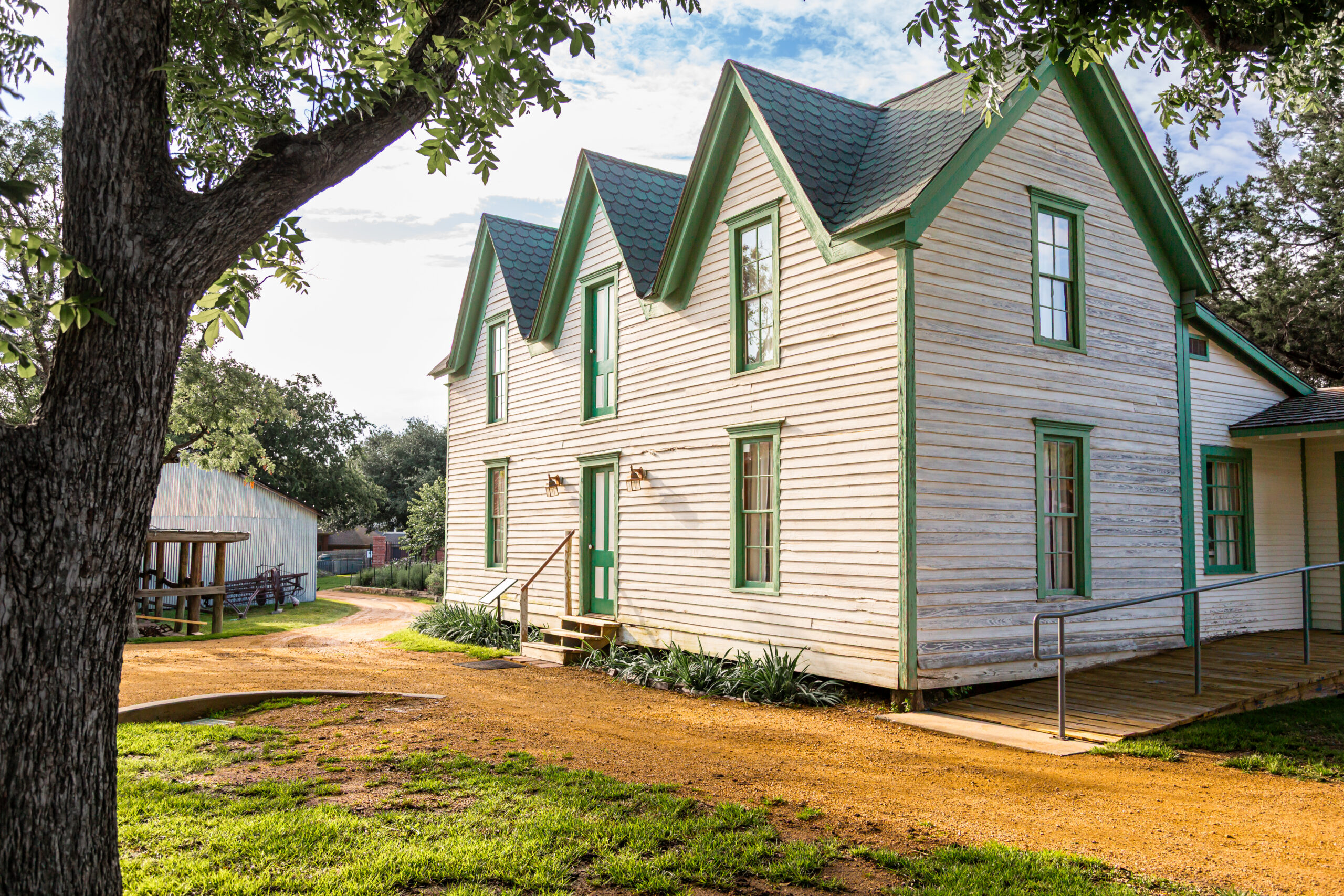
The Young House was built by one of Plano’s original settler families, the Sam Young family, who moved to the area from Illinois in the 1840s.
Interestingly, it exhibits building techniques and materials of a time period earlier than the 1880s. Raised up on bois d’arc posts, the Young House can be considered a late example of the Gothic Victorian three-gable style, very basic but still considered grand for its time and place.
Gladys Young, the last inhabitant of the home and the daughter of its builder, lived in the house her entire 94 years without the benefit of indoor plumbing. Electricity was run to the home only a few years before Gladys Young passed away in 1998.
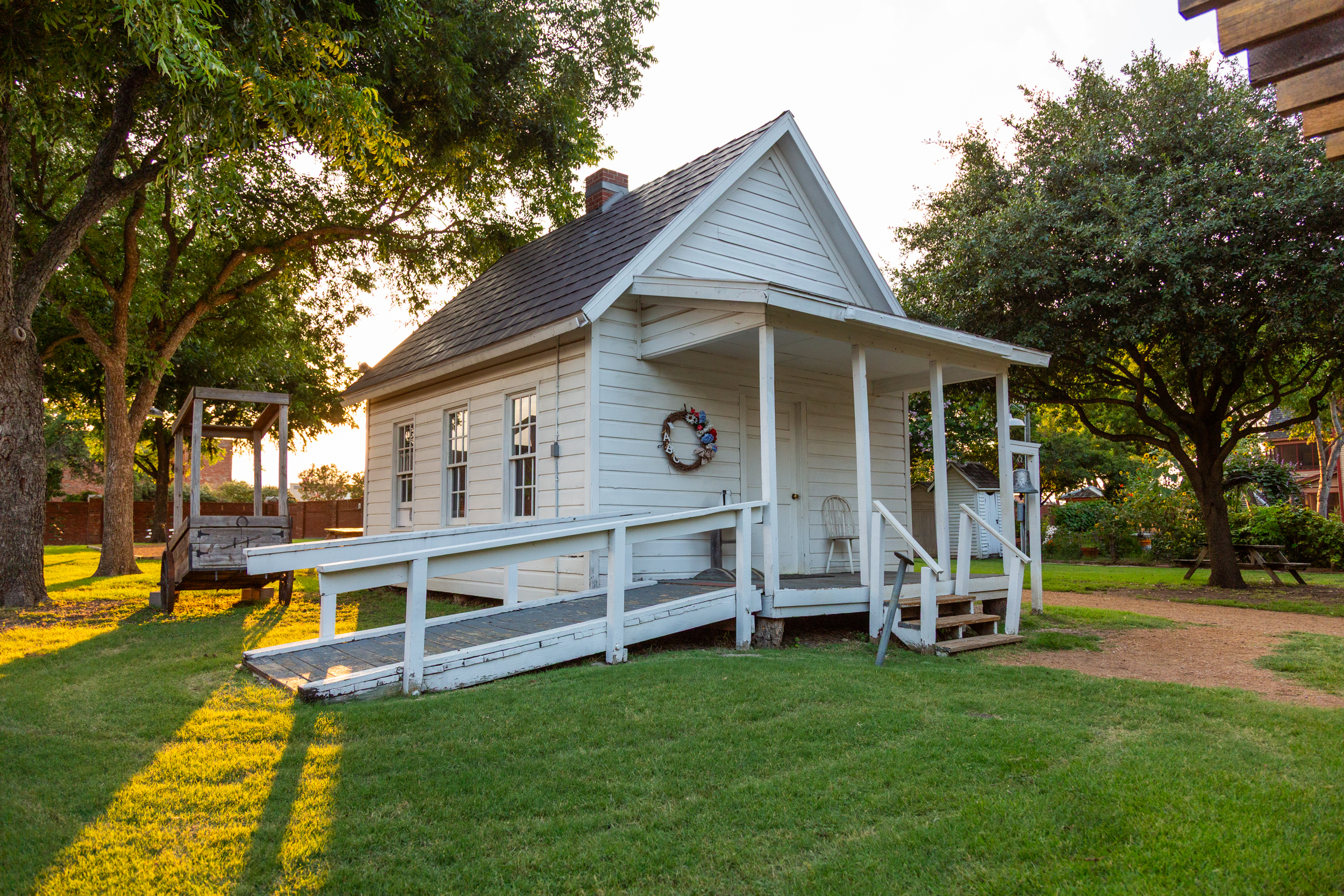
One-Room School House
Explore the reproduction One-room School House and see how school was different for children in the 1890s-early 1900s. Artifacts include McGuffey primers, large slate blackboard, lunchboxes, school desks, and more. This is a kid favorite!