ABOUT
Museum Information
Museum, Grounds Tours & Visitor Hours
Thursday-Saturday, 10am-2pm
Our Mission
Welcome to the Heritage Farmstead Museum in Plano, Texas. The Heritage Farmstead Museum (HFM) is the premiere living history site interpreting the Texas Blackland Prairie region in North Texas. An American Alliance of Museums accredited institution, the HFM strives to offer a step into the past for people of many ages, interests and backgrounds. The museum is an institution of public service and is accountable to the public through government, self and peer imposed regulations.
The Heritage Farmstead Museum’s mission is to preserve a historic Texas farmstead where people can experience and learn from our agrarian roots.
Ammie Wilson
Hunter Farrell
History
Hunter T. Farrell, a local businessman, married boarding-house operator Mary Alice Lanham on March 5, 1889. The following year, he purchased 124.12 acres from Eliza Pitman for $3,000 and built a home for Mary Alice and her daughter from a previous marriage, Ammie Estelle Juhan, affectionately known her whole life as “Miss Ammie.”
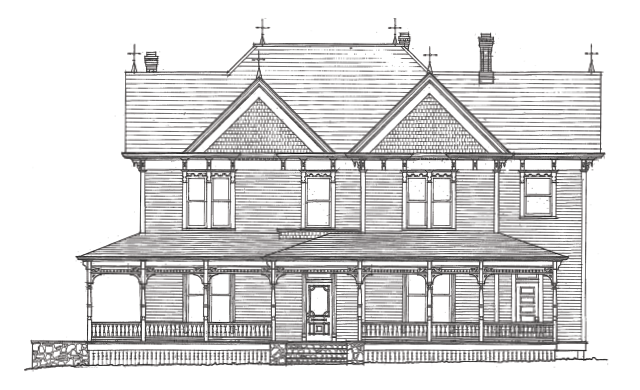
Completed in 1891, the Farrell-Wilson House exhibits a 4-over-4 floor plan, built on a pier-and-beam foundation with balloon framing. Adorned with nine original paint colors, its distinct features include shingled gables, a wraparound porch with jigsaw trim, and transoms above each interior door.
Screened windows provided cooling, while six fireplaces ensured warmth in winter. Later additions included a kitchen remodel and the installation of bathrooms between 1900 and 1905, and the introduction of electricity in the 1920s.
The farm eventually grew to about 360 acres. Hunter often traveled for business, operating gravel pits for road and railroad construction, which left Mary Alice to manage the farm. The Farrells divorced in 1928, and Mary Alice retained the property. Upon her death in 1934, she willed the farm to charity, granting Ammie a life tenancy.
Mary Alice Farrell
Ammie Wilson
With her husband, Dudley M. Wilson, Miss Ammie developed the farm into a Hampshire sheep operation. She became a nationally recognized livestock breeder and show-woman, exhibiting sheep until her late eighties.
After Miss Ammie’s death in 1972, the property was sold first to the W.H. Hunt Trust and then to Rosewood Corporation developers. To save the home, the Plano Heritage Association was formed in 1973. In 1975, the City of Plano purchased four acres with the house and outbuildings and partnered with the Heritage Farmstead Association to operate a museum.
Then & Now
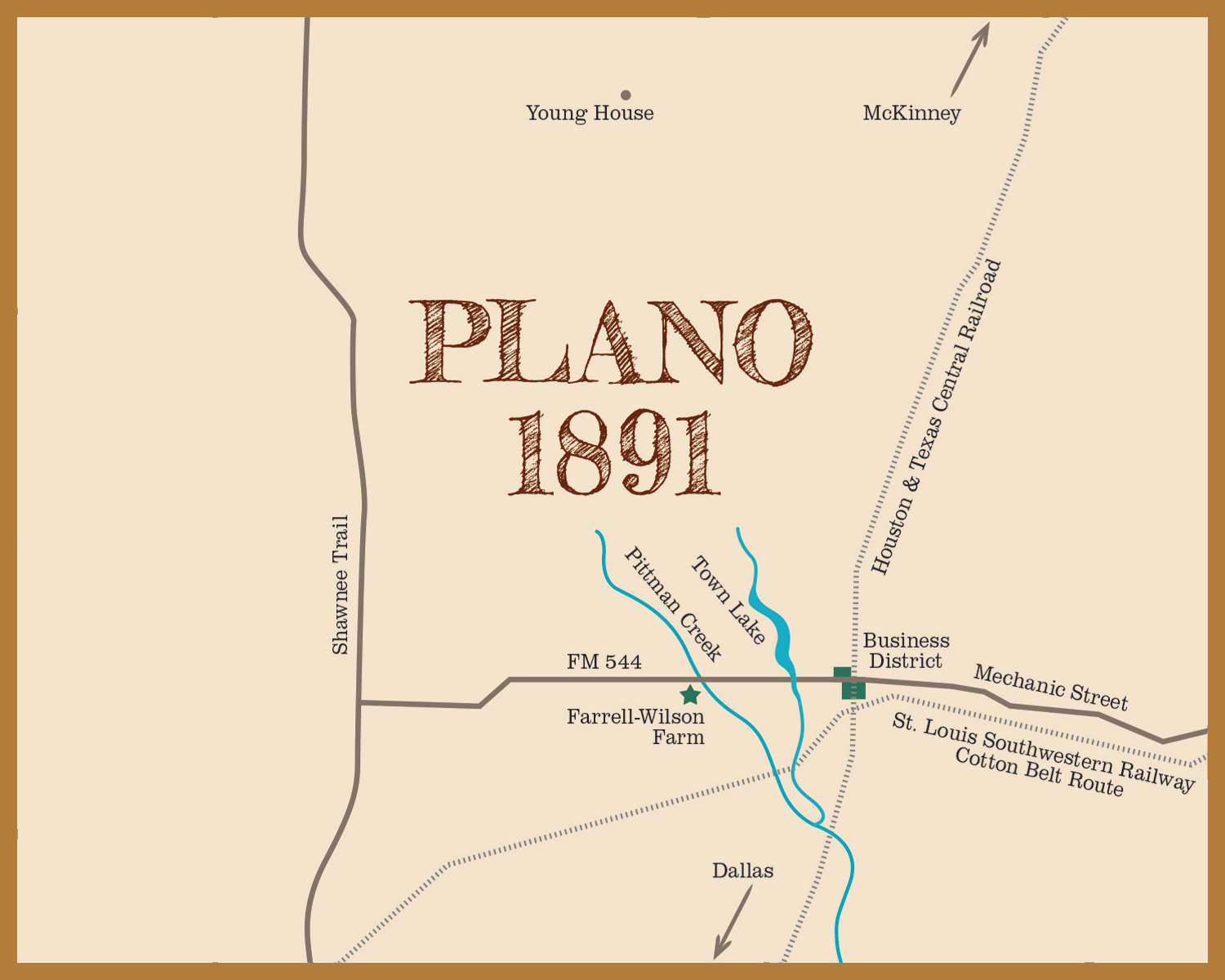
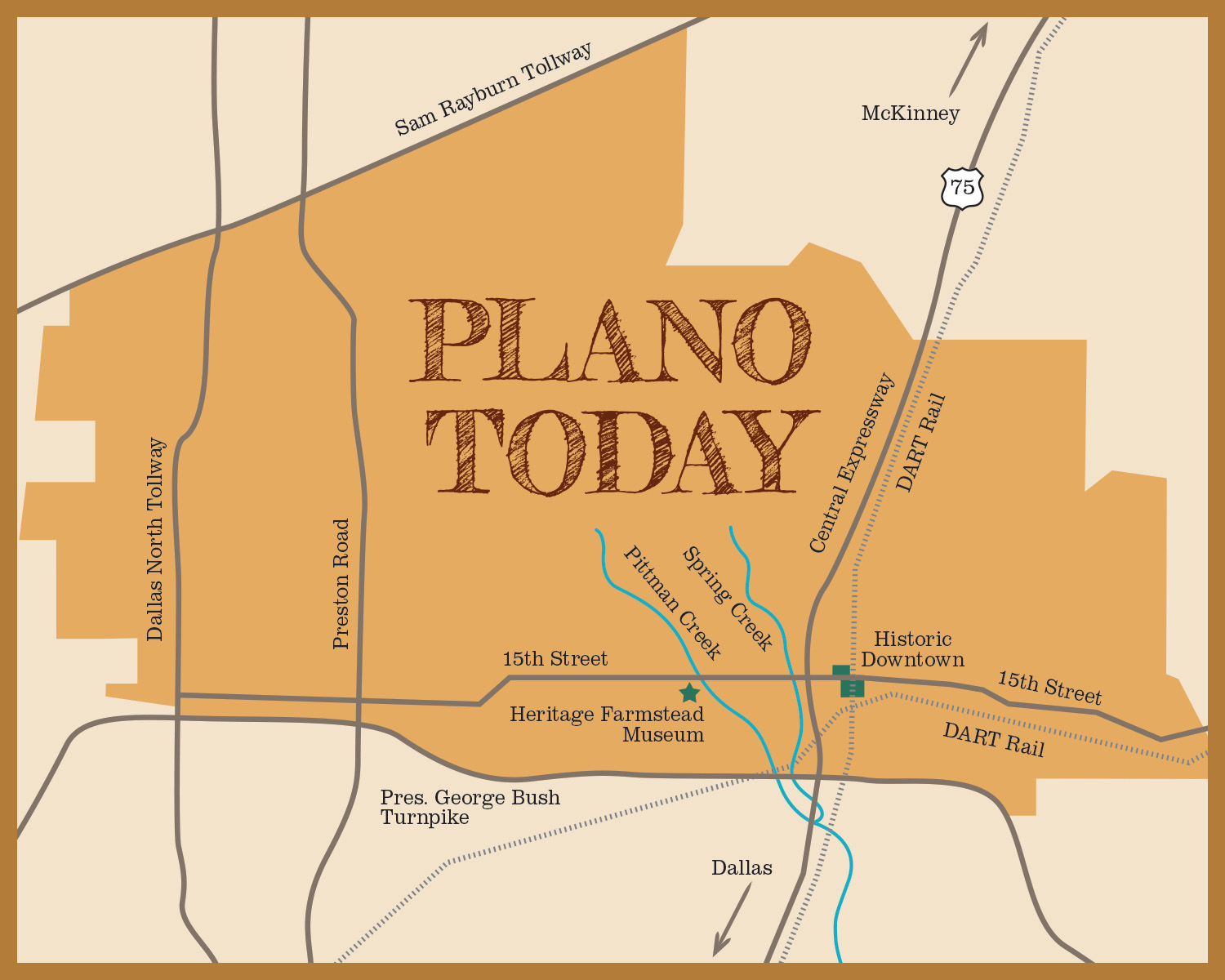
Click and drag the circle slider in the middle of the map to view how Plano has grown since 1891.